Garage Door Won’t Open or Close? Here’s What Might Be Wrong
Garage Door Suddenly Not Woking?
Few things are more frustrating than getting ready to leave for work or come home for the day only to discover your garage door will not open or close properly. Because garage doors are one of the most frequently used entry points to a home, even a small issue can quickly become a major inconvenience.
Sometimes the problem is simple and can be resolved with a quick fix. Other times, the issue may involve damaged components that require professional garage door repair services. Understanding the most common causes of garage door problems can help homeowners identify warning signs early and avoid larger, more expensive repairs.
Signs to Be Aware Of
Dead Remote Batteries or Power Issues
One of the simplest and most overlooked causes of garage door problems is a loss of power. If your garage door opener does not respond at all, the first thing to check is whether the opener is receiving power.
Common power-related issues include:
- Dead remote batteries
- Unplugged garage door opener
- Tripped circuit breaker
- Power outages
- Faulty wall switch connections
Sometimes resetting the opener by unplugging it briefly and reconnecting it can resolve minor system glitches.
If your remote control is not working but the wall switch still operates the door, replacing the remote batteries or reprogramming the remote may solve the problem.
Misaligned or Blocked Safety Sensors
Modern garage doors include safety sensors near the bottom of the tracks that prevent the door from closing if something is detected in its path. If these sensors become dirty, blocked, or misaligned, the garage door may refuse to close or may reverse suddenly during operation.
Signs of sensor problems may include:
- Garage door starts closing and reverses
- Blinking sensor lights
- Door closes only when holding the wall button
- Inconsistent operation
Cleaning the sensor lenses and checking that both sensors are properly aligned can often restore normal function.
Broken Garage Door Springs
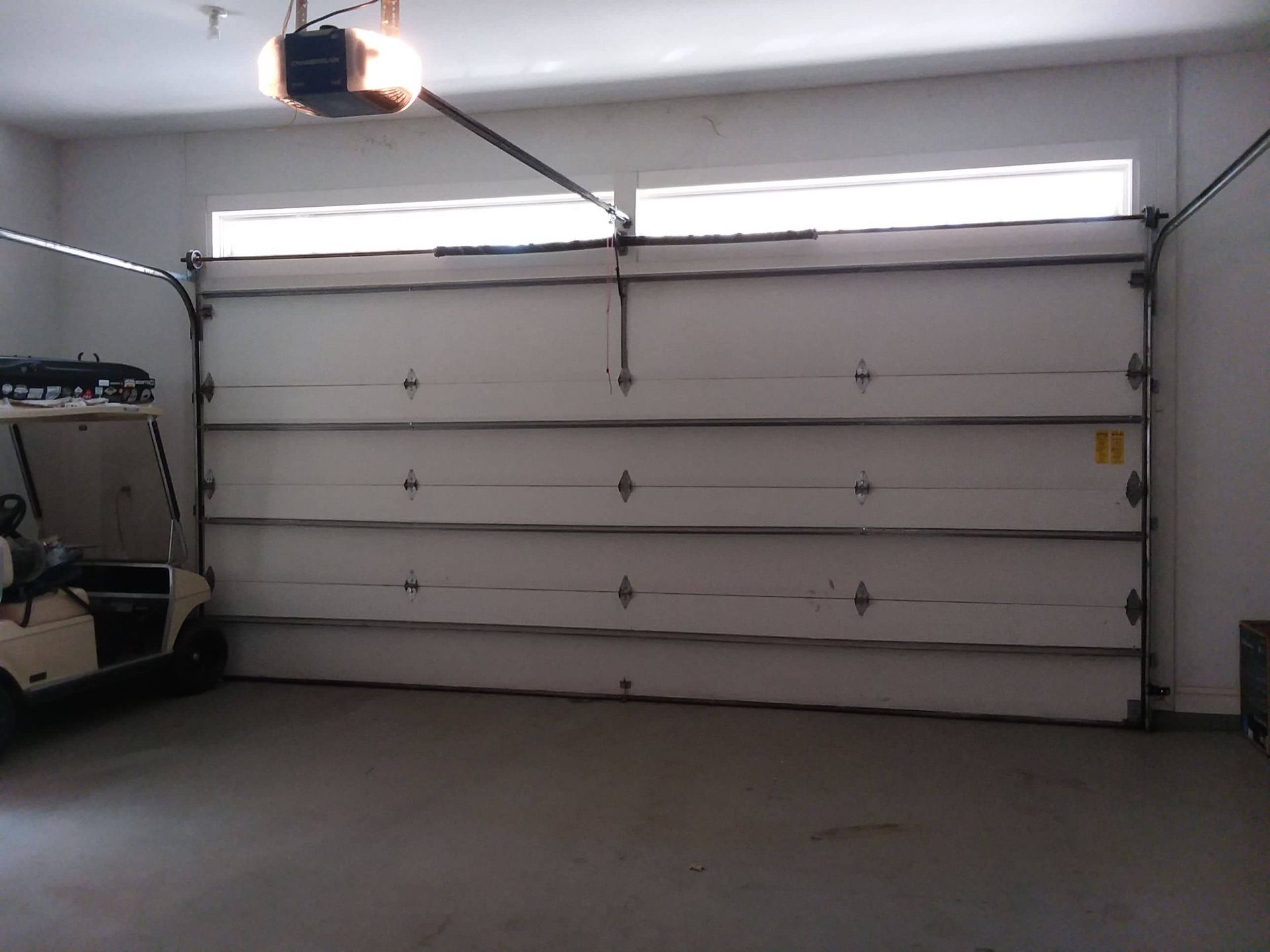
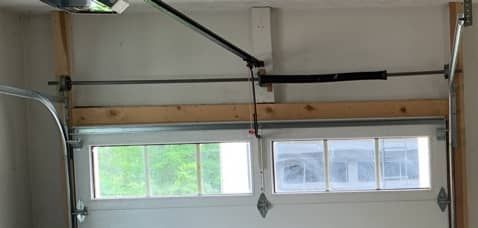
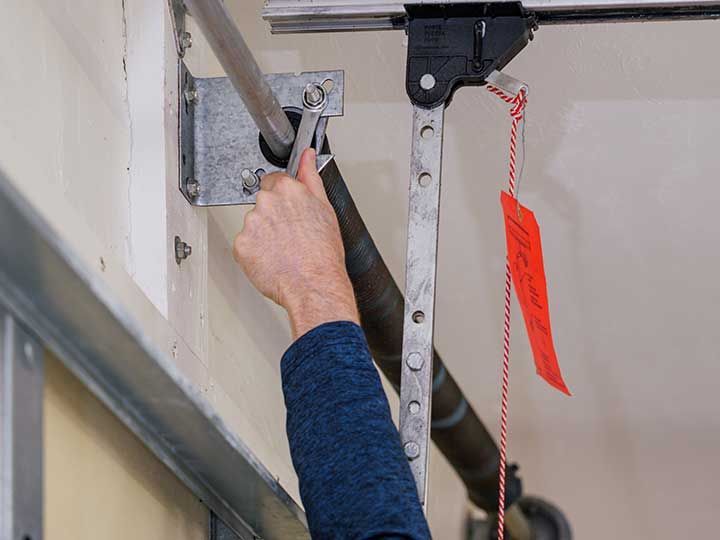
Garage door springs are responsible for carrying most of the door’s weight during opening and closing. Over time, springs wear out due to repeated use cycles and may eventually break.
When a spring breaks, the opener may struggle to lift the door or stop working entirely.
Common signs of broken springs include:
- Loud snapping or banging sound
- Door feels extremely heavy
- Garage door opens unevenly
- Door only lifts a few inches
- Visible gap in the spring
Garage door springs operate under extremely high tension and should only be repaired or replaced by trained professionals due to safety risks.
Damaged or Misaligned Tracks
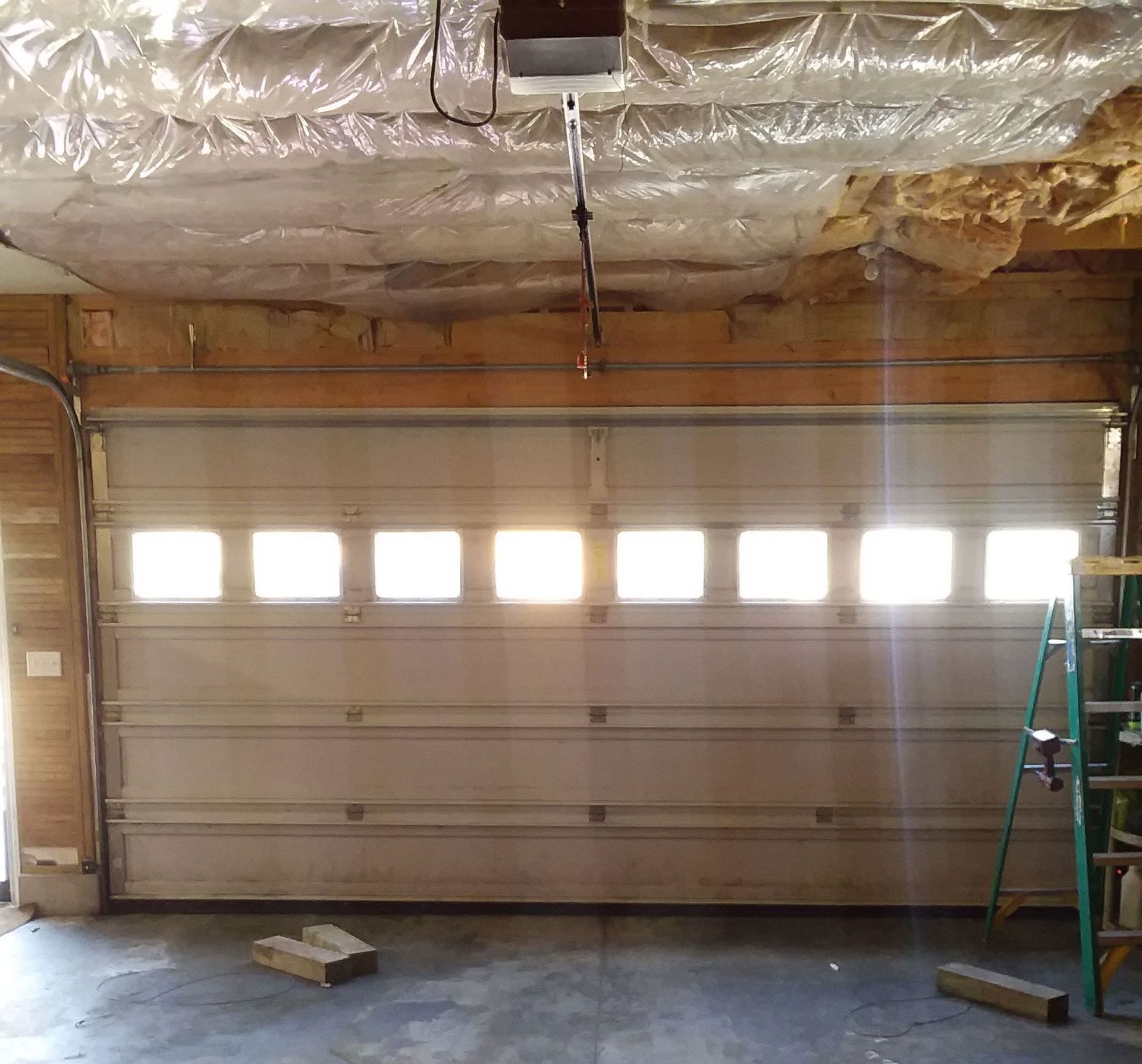
Garage door tracks help guide the rollers smoothly during operation. If the tracks become bent, loose, or obstructed, the garage door may become stuck or move unevenly.
Track issues may be caused by:
- Accidental impact from vehicles
- Loose mounting hardware
- Dirt and debris buildup
- Normal wear and tear
Signs of track problems may include:
- Grinding noises
- Jerky door movement
- Uneven opening or closing
- Door coming off track
Ignoring track problems can place additional stress on the opener and other components, potentially leading to more extensive damage.
Worn or Damaged Rollers
Garage door rollers help the door move smoothly along the tracks. Over time, rollers may become worn, cracked, or damaged, especially if regular maintenance is neglected.
Failing rollers may cause:
- Squeaking or grinding noises
- Shaky door movement
- Slow operation
- Door sticking during movement
Lubricating the moving parts of the system may improve operation temporarily, but severely worn rollers typically need replacement. Experts also recommend avoiding grease on the tracks themselves because it can attract dirt and worsen performance issues.
Garage Door Opener Problems
Sometimes the issue lies within the garage door opener itself rather than the door components.
Common opener problems include:
- Worn motor gears
- Faulty circuit boards
- Logic board malfunctions
- Damaged drive systems
- Incorrect limit settings
If the opener motor runs but the door does not move, internal opener components may be damaged.
Older garage door openers may also struggle to keep up with heavier doors or frequent use. In some cases, replacing the opener may be more cost-effective than repeated repairs.
Contact Us to Schedule a Garage Door Repair Service!
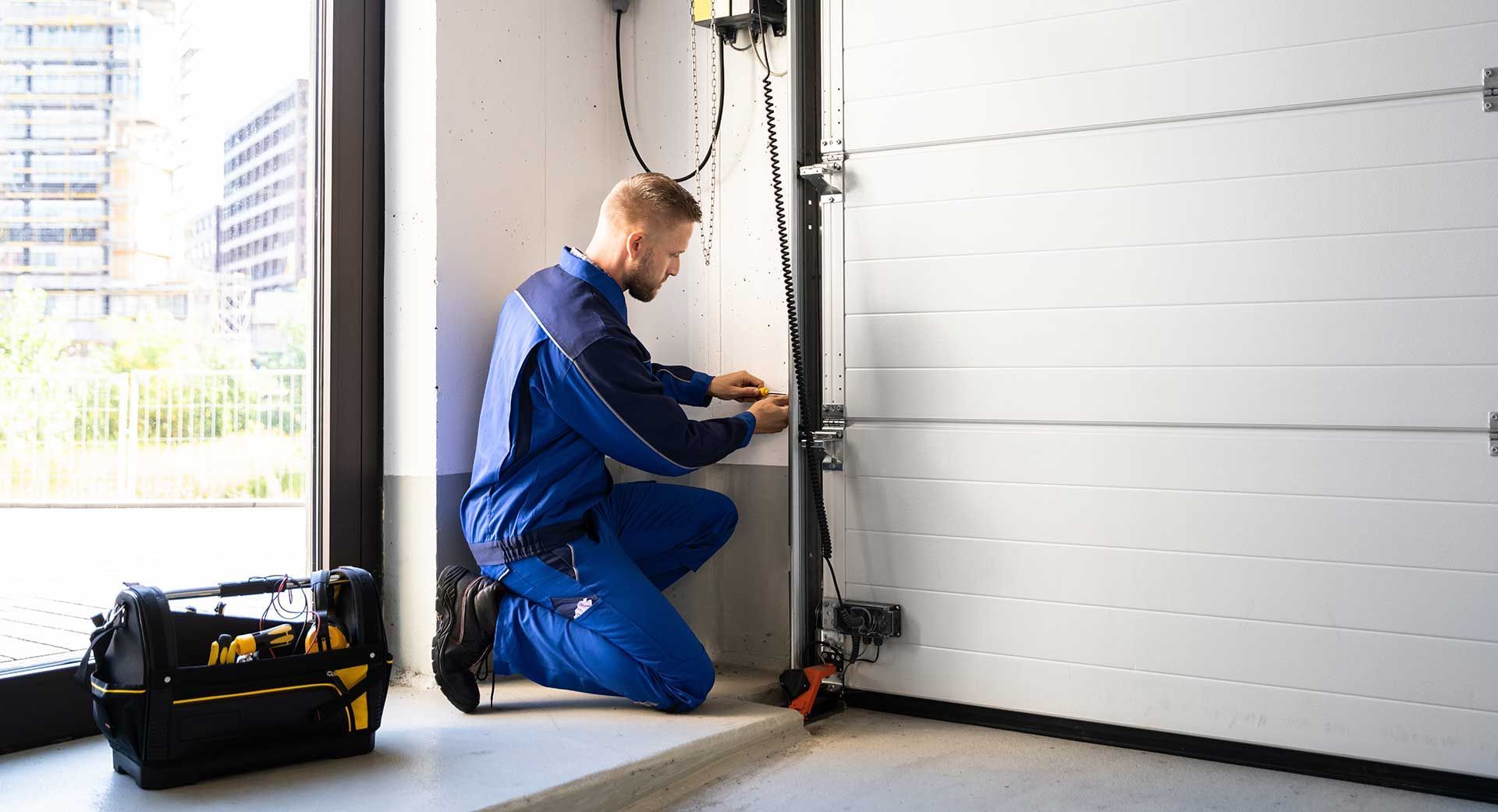
Whether the problem involves sensors, springs, tracks, rollers, or the opener itself, addressing garage door problems promptly can help prevent further damage and improve the safety and reliability of your system.
If your garage door is acting up or has stopped working altogether, contacting an experienced garage door repair professional can help restore safe, smooth operation and prevent more costly repairs down the road. As one of the top garage door companies for 35+ years, Garage Door Services is committed to providing prompt and professional garage door repairs for property owners across Traverse City, MI; Elk Rapids, MI; Charlevoix, MI; Leelanau, MI; Petoskey, MI; and the greater Grand Traverse County area.
Contact us today to discuss your situation or to schedule a residential or commercial service appointment!